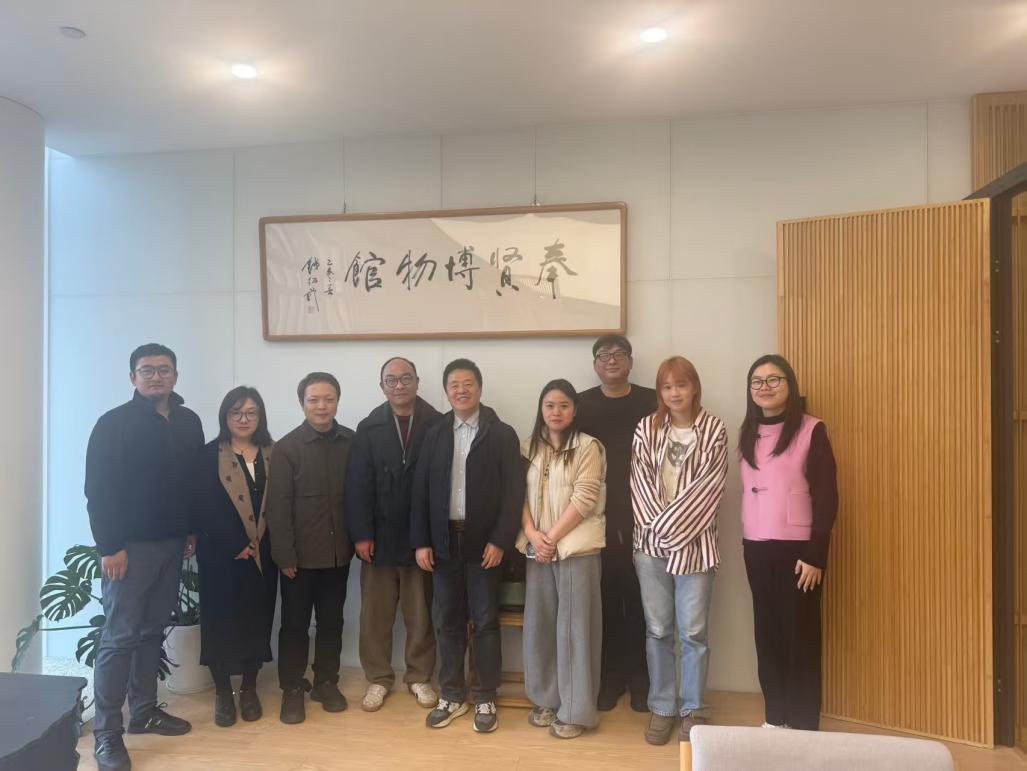
On March 6, 2026, Yang Lu, Dean of the NWU-Salento School of Cultural Heritage and Arts, Liu Yuan, Deputy Secretary of the CPC Party Committee of the School, and Wang Jiangpeng, Deputy Dean for Teaching, led a delegation to the Shanghai Fengxian Museum (Shanghai Fengxian District Cultural Relics Conservation and Management Institute) and Shanghai Anchuan Cultural and Art Services Co., Ltd. to carry out research on practical courses in oil painting conservation and restoration, as well as activities under the “Visiting Enterprises and Expanding Positions” initiative.
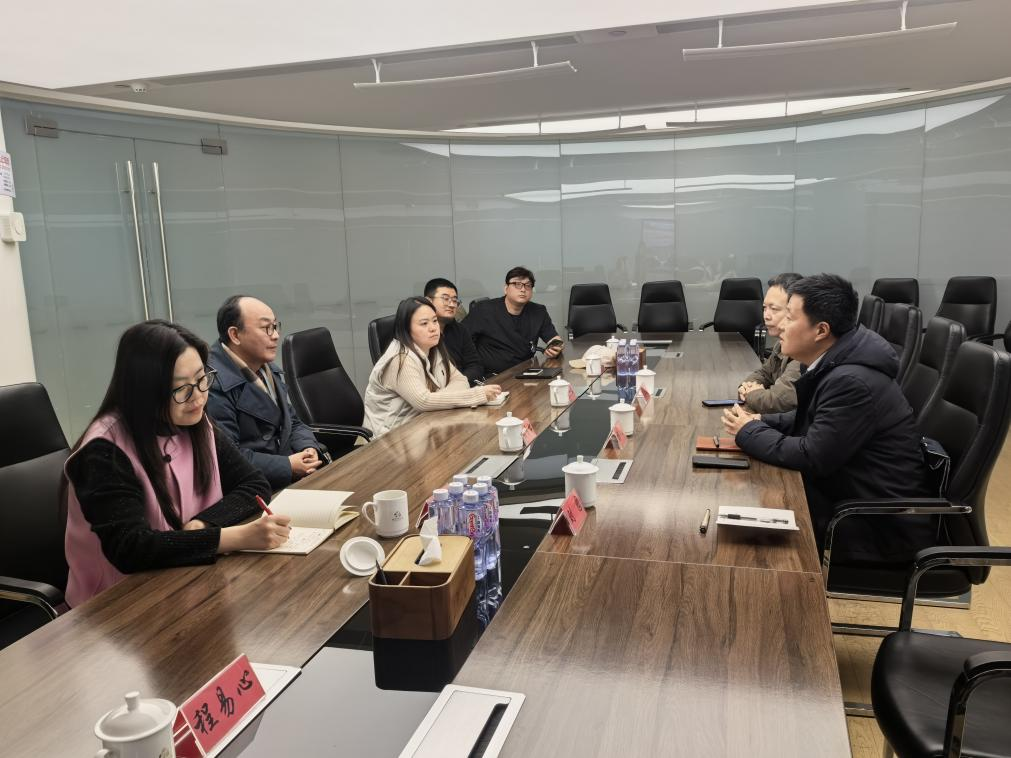
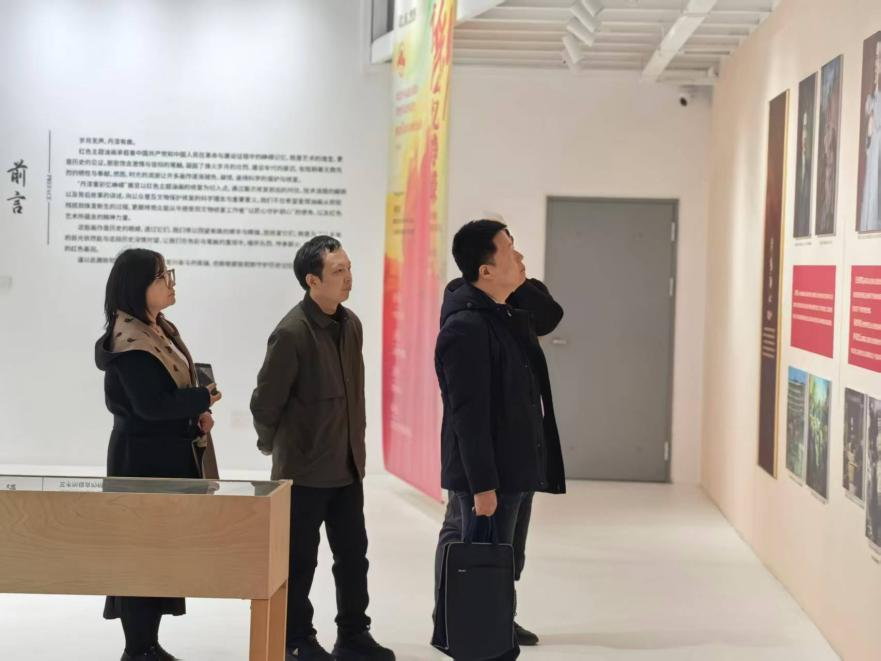
During the visit to the Shanghai Fengxian Museum (Shanghai Fengxian District Cultural Relics Conservation and Management Institute), Curator Zhang Xuesong extended a warm welcome to Yang Lu and his delegation. He recalled his memorable experiences studying at Northwest University and introduced the museum’s historical development, exhibition facilities, and future plans. He also engaged in in-depth exchanges on topics including brand building, scientific research, talent demand, and student internships and practical training. Yang Lu expressed his gratitude for the warm reception. He provided a detailed introduction to the School’s history, academic features, program structure, and teaching and education. He emphasized that undergraduate talent cultivation is the School’s core mission, and expressed the hope that both sides could take oil painting restoration-related teaching as an entry point to promote innovation in the School’s teaching reforms and foster differentiated disciplinary development. Prior to the meeting, Yang Lu and his delegation visited the museum’s exhibition halls, the paper cultural relics restoration studio, and the oil painting restoration studio.
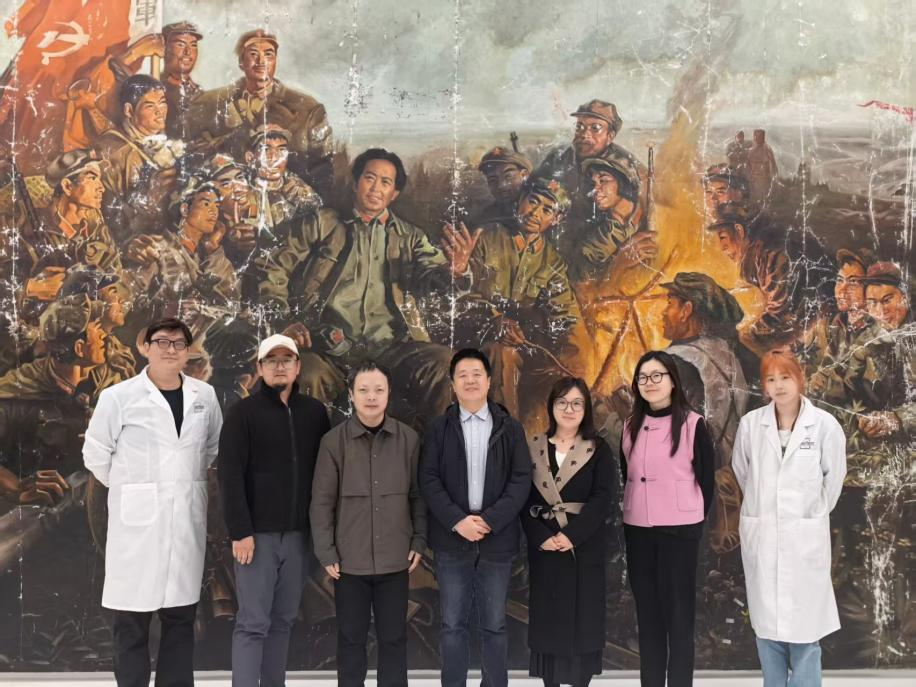
During the visit to Shanghai Anchuan Cultural and Art Services Co., Ltd., Li Yang, Founder and Chief Executive Officer of the company, first reviewed the discussions held with Dean Yang Lu in the previous year regarding oil painting restoration courses and the differences between Chinese and Western oil painting traditions. He, together with the company’s technical director for oil painting restoration, then introduced the company’s founding mission, brand development, construction plans, oil painting restoration work, and proposals for cooperation. After that, Dean Yang Lu introduced the School’s three-tiered curriculum system, covering foundational oil painting techniques courses, European classical oil painting restoration courses, and courses on the restoration of oil paintings of Chinese revolutionary cultural relics, as well as the internal logic connecting these levels. He proposed that both sides carry out cooperation with a focus on curriculum and teaching in oil painting cultural relics conservation, internships and practical training, and research on material science related to conservation and restoration. The two sides also conducted in-depth discussions on the restoration of large-scale revolutionary-themed oil paintings currently underway, as well as on the application of emerging technologies such as artificial intelligence in the conservation and restoration of cultural relics. Prior to the meeting, Yang Lu and his delegation visited the “Exhibition of Oil Painting Restoration Achievements Commemorating the 80th Anniversary of the Victory of the Chinese People’s War of Resistance Against Japanese Aggression and the World Anti-Fascist War” held at the company.
This activity aimed to further expand the School’s curriculum resources, highlight its distinctive educational features, and implement the requirements set forth at the University’s 2026 Graduate Employment Kick-off Meeting regarding the deepening of the “Visiting Enterprises and Expanding Positions” initiative. It also sought to lay a solid foundation for the distinctive cultivation of students and for achieving high-quality and full employment.





 Contact Us:+86-29-88309070
 Address:No.1 Xuefu Avenue, Xi'an Guodu Educational Technology Industrial Development Zone, Chang'an District, Xi'an
 Email:anlaishool@nwu.edu.cn
 西北大学公众号
 安莱学院公众号